Cash Flow for Small Businesses Managing Finances for Success

Flow problems business solve

Embark on a journey through the world of cash flow for small businesses, understanding its importance and impact on financial stability. Learn how effective management can lead to sustainable growth and success.

Explore the nuances of cash flow management and discover key strategies for optimizing financial health in your small business.

Introduction to Cash Flow

Cash flow in the context of small businesses refers to the movement of money in and out of a business. It is essential to monitor cash flow as it provides a clear picture of a company’s financial health and liquidity. Positive cash flow indicates that a business is generating more money than it is spending, while negative cash flow means the opposite.

Importance of Monitoring Cash Flow

Monitoring cash flow is crucial for small businesses to ensure they have enough funds to cover expenses, pay employees, invest in growth opportunities, and handle unexpected costs. Without proper cash flow management, a business may face cash shortages, inability to meet financial obligations, and even bankruptcy.

  • Positive Cash Flow Scenario: When a business has consistent positive cash flow, it can reinvest profits, expand operations, pay off debts, and build a financial cushion for future downturns.
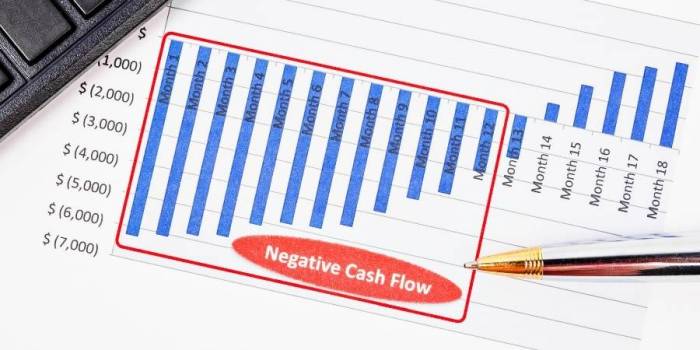
  • Negative Cash Flow Scenario: On the other hand, negative cash flow can lead to difficulties in paying bills, late payments to suppliers, missed opportunities for growth, and ultimately business failure.

Importance of Cash Flow Management

Effective cash flow management is crucial for the success of small businesses. It involves monitoring, analyzing, and optimizing the flow of cash in and out of the business to ensure there is enough liquidity to meet financial obligations.Poor cash flow management can have detrimental effects on small businesses. It can lead to cash shortages, missed opportunities for growth, inability to pay bills on time, damaged relationships with suppliers, and ultimately, business failure.

Strategies for Improving Cash Flow Management

Implementing the following strategies can help small businesses improve their cash flow management:

  • Monitor Cash Flow Regularly: Keep track of income and expenses on a daily, weekly, and monthly basis to identify patterns and anticipate any potential cash flow issues.
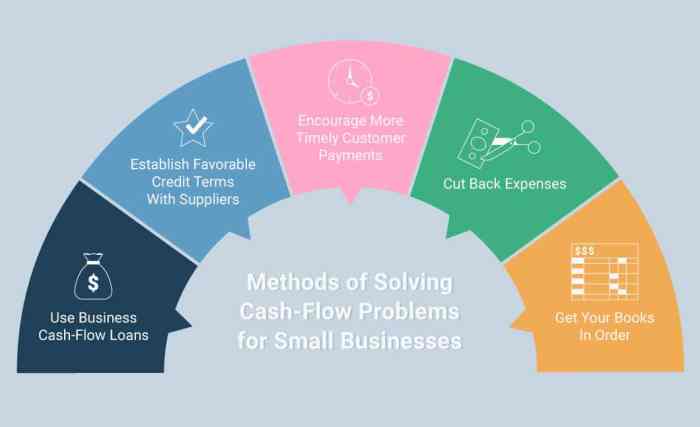
  • Manage Accounts Receivable: Ensure timely and efficient collection of payments from customers by establishing clear credit terms, sending timely invoices, and following up on overdue accounts.
  • Negotiate Terms with Suppliers: Explore opportunities to extend payment terms with suppliers without incurring additional costs to improve cash flow.
  • Control Inventory Levels: Avoid overstocking inventory to free up cash that is tied up in excess stock and optimize inventory turnover.
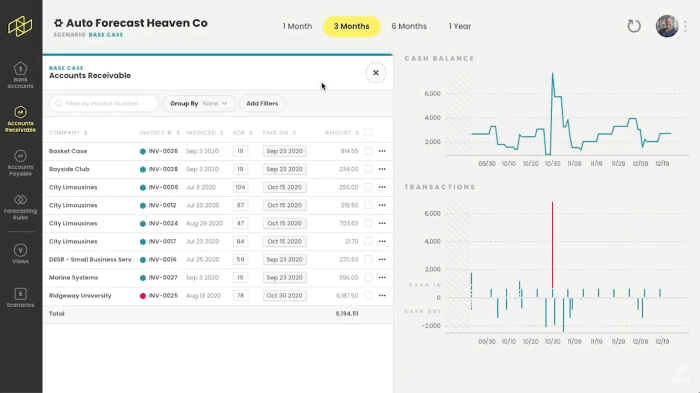
  • Create a Cash Flow Forecast: Develop a cash flow forecast to predict future cash inflows and outflows, enabling better planning and decision-making.

Cash Flow Statement

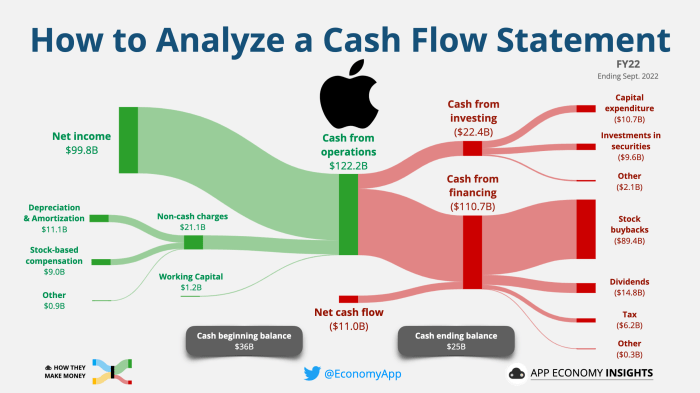
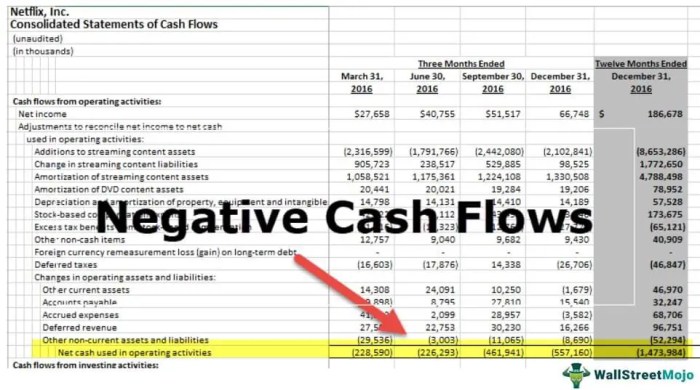
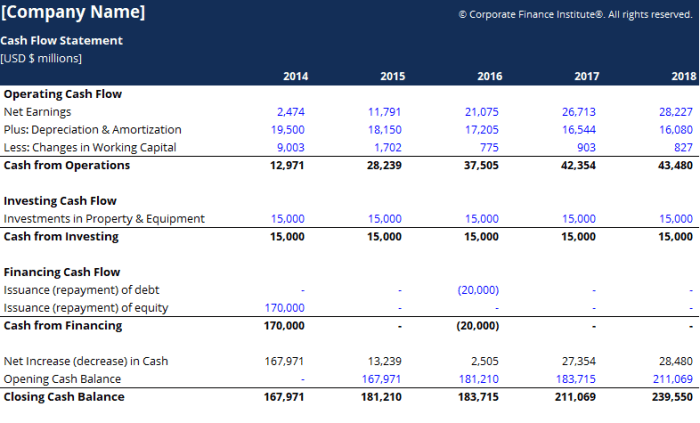
A cash flow statement is a financial statement that shows the inflows and outflows of cash and cash equivalents in a business over a specific period of time. It helps in analyzing the liquidity and financial health of a company by providing insights into how cash is being generated and used.

Cash Flow from Operating Activities

Cash flow from operating activities includes cash transactions from the primary business activities of a company. This section typically includes cash receipts from sales, payments to suppliers, salaries, and other operating expenses. For example, receiving cash from customers for services provided would be a typical transaction in this section.

Cash Flow from Investing Activities

Cash flow from investing activities includes cash transactions related to the purchase and sale of long-term assets, such as property, plant, and equipment. This section also covers investments in securities and other financial instruments. An example of a transaction in this section would be the purchase of new machinery for the business.

Cash Flow from Financing Activities

Cash flow from financing activities includes cash transactions related to the company’s capital structure, such as issuing or repurchasing stock, issuing or repaying debt, and payment of dividends. A typical transaction in this section would be the repayment of a bank loan taken to finance business operations.

Factors Affecting Cash Flow
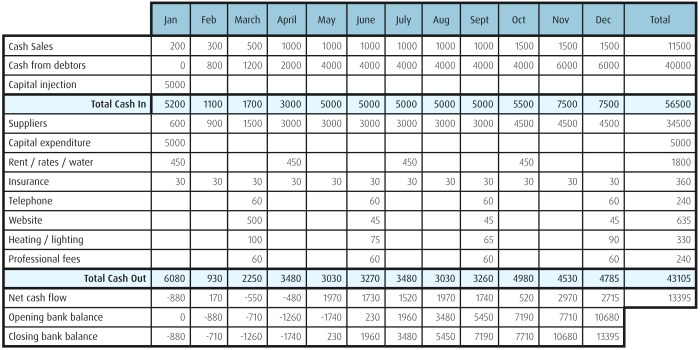
Cash flow business small example why forecast statement boambee valley north

Managing cash flow in small businesses can be challenging due to various factors that can influence the inflow and outflow of funds. It is crucial to understand these factors to effectively plan and maintain a healthy cash flow.

Seasonal Effects

Seasonal fluctuations can significantly impact cash flow in small businesses, especially those that experience peak seasons. During busy periods, there may be higher sales and revenue, leading to increased cash inflow. However, off-peak seasons can result in lower sales and cash flow challenges. To mitigate the negative impacts of seasonal effects, businesses can implement strategies such as budgeting for lean months, offering promotions to boost sales during slow periods, and negotiating flexible payment terms with suppliers.

Payment Terms

The payment terms established with customers and suppliers can influence cash flow. Longer payment terms from customers can delay cash inflow, affecting the business’s ability to meet immediate financial obligations. On the other hand, negotiating favorable payment terms with suppliers can help in managing cash flow effectively. Businesses can address this by incentivizing early payments from customers, implementing stricter credit policies, and negotiating mutually beneficial payment terms with suppliers.

Economic Conditions

Economic conditions, such as recessions or economic downturns, can have a significant impact on cash flow in small businesses. Reduced consumer spending, inflation, or changes in interest rates can affect sales, pricing, and overall financial stability. To navigate through challenging economic conditions, businesses can focus on cost-saving measures, diversifying revenue streams, and strengthening relationships with customers to maintain cash flow stability.

Cash Flow Forecasting

Flow problems business solve

Cash flow forecasting is the process of estimating the amount of cash that will flow in and out of a business within a certain period. It is a crucial aspect of financial planning for small businesses as it helps in anticipating future cash needs and ensuring smooth operations.

Methods and Tools for Cash Flow Forecasting

There are various methods and tools available for forecasting cash flow, such as:

  • Direct Method: Involves estimating cash receipts and payments based on past data and current trends.
  • Indirect Method: Utilizes the income statement and balance sheet to predict cash flow.
  • Cash Flow Forecasting Software: Specialized tools that automate the process and provide accurate predictions.

Tips for Creating an Accurate Cash Flow Forecast

Creating an accurate cash flow forecast is essential for small businesses to make informed decisions. Here are some tips to improve the accuracy of your cash flow forecast:

  1. Regularly update your forecast with actual data to reflect any changes in your business.
  2. Consider different scenarios and variables that could impact your cash flow, such as seasonality or economic conditions.
  3. Involve key stakeholders in the forecasting process to gain valuable insights and perspectives.
  4. Use historical data and trends as a basis for your forecast, but also factor in any upcoming events or changes in the market.
  5. Review and analyze your forecast regularly to identify any discrepancies or areas for improvement.

In conclusion, mastering cash flow is essential for the longevity and prosperity of small businesses. By implementing sound financial practices and staying vigilant, you can navigate the financial landscape with confidence and achieve your business goals.

Detailed FAQs

How can I improve my small business’s cash flow?

To enhance cash flow, consider negotiating better payment terms with suppliers, monitoring expenses closely, and implementing efficient invoicing and collection processes.

What are the common mistakes to avoid in cash flow management?

Avoid mixing personal and business finances, neglecting to forecast cash flow, and overlooking the impact of seasonality on cash flow.
Cash Flow Problems and Solutions Managing Financial Health

Cash flow problems solution statement financial management statements problem

Exploring the realm of Cash Flow Problems and Solutions, this introduction delves into the intricacies of financial management in a business setting, offering insights and strategies to navigate through challenging cash flow situations.

Providing a comprehensive overview of the impact of cash flow on a company’s financial well-being, this discussion aims to equip readers with practical knowledge and effective solutions to enhance cash flow management.

CASH FLOW

Cash flow business diagram problems management cashflow stock manage illustration depositphotos

Cash flow is the movement of money in and out of a business, representing the amount of cash a company generates and spends during a specific period. It is a crucial financial metric that indicates the liquidity and operational efficiency of a business.

Positive Cash Flow

  • Occurs when the incoming cash from sales, investments, or financing activities exceeds the outgoing cash for expenses, investments, and debt repayments.
  • Indicates that a company has enough cash to cover its operational costs, invest in growth opportunities, and repay debts, leading to financial stability and growth.

Negative Cash Flow

  • Occurs when the outgoing cash surpasses the incoming cash, resulting in a cash shortage to meet financial obligations, pay bills, or invest in the business.
  • Can signal financial distress, operational inefficiencies, or unsustainable growth strategies if not managed effectively, leading to potential liquidity problems and insolvency.

Impact on Financial Health

  • Cash flow is a vital indicator of a company’s financial health, reflecting its ability to meet short-term obligations, fund operations, and support growth initiatives.
  • Positive cash flow ensures a company’s solvency, ability to seize opportunities, and weather economic downturns, while negative cash flow can jeopardize the business’s survival and sustainability.
  • Effective cash flow management involves monitoring, forecasting, and optimizing cash flow to maintain financial stability, support strategic decisions, and enhance business resilience.

Common Causes of Cash Flow Problems

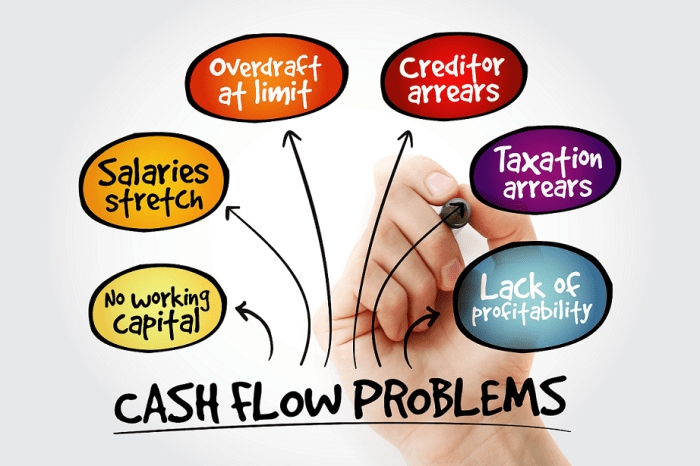
Cash flow problems are a common issue that many businesses face. Understanding the reasons behind these problems is crucial for finding effective solutions and ensuring the financial health of the business.

External Factors Impacting Cash Flow

External factors such as economic downturns can have a significant impact on a business’s cash flow. During periods of economic instability, consumers may reduce their spending, leading to a decrease in revenue for the business. This can result in cash flow problems as the business struggles to meet its financial obligations.

Poor Financial Management

Poor financial management is another common cause of cash flow problems. Inefficient budgeting, overspending, failure to track expenses, and lack of financial planning can all contribute to cash flow issues. Without proper financial management practices in place, businesses may find themselves facing cash flow shortages and struggling to stay afloat.

Solutions for Improving Cash Flow

Effective cash flow management is crucial for the financial health of a business. By implementing the right strategies, businesses can ensure a steady flow of cash and avoid potential cash flow problems. Let’s explore some solutions for improving cash flow:

Implementing Strict Budgeting and Forecasting

Budgeting and forecasting are essential tools for managing cash flow effectively. By creating a detailed budget that Artikels expected revenues and expenses, businesses can plan ahead and identify potential cash shortfalls. Regularly updating and monitoring the budget allows businesses to make informed decisions and adjust their operations to maintain a positive cash flow.

Renegotiating Payment Terms with Suppliers

One effective way to improve cash flow is by renegotiating payment terms with suppliers. By extending payment deadlines or negotiating discounts for early payments, businesses can better align their cash outflows with their cash inflows. This can help free up cash that can be used for other business needs, ultimately improving overall cash flow management.

Cash Flow Forecasting

Cash flow forecasting is a crucial process for businesses to predict future cash inflows and outflows, helping them make informed financial decisions and manage their resources effectively.

Creating a Cash Flow Forecast

Creating a cash flow forecast involves analyzing past financial data, sales projections, and upcoming expenses to estimate the amount of cash that will be available to the business in the future. It typically includes both short-term and long-term projections to provide a comprehensive view of the company’s financial health.

Tips for Accurately Predicting Future Cash Flows

  • Regularly update your forecast: Continuously monitor and adjust your cash flow forecast based on actual financial data to ensure accuracy.
  • Consider different scenarios: Develop multiple scenarios to account for potential changes in market conditions or unexpected events that could impact cash flow.
  • Consult with experts: Seek advice from financial professionals or consultants to validate your forecast and ensure that it aligns with industry standards.
  • Use cash flow forecasting tools: Utilize software or tools designed for cash flow forecasting to streamline the process and improve accuracy.

Benefits of Regular Cash Flow Forecasting

Regular cash flow forecasting offers several benefits for businesses:

  • Improved decision-making: By having a clear understanding of future cash flows, businesses can make informed decisions regarding investments, expenses, and growth opportunities.
  • Early identification of potential issues: Forecasting helps identify cash flow gaps or shortages in advance, allowing businesses to take proactive measures to address these issues.
  • Better financial planning: With accurate cash flow forecasts, businesses can develop comprehensive financial plans that support long-term sustainability and growth.

Cash Flow Management Tools

Cash flow problems solution statement financial management statements problem

Managing cash flow effectively is crucial for the financial health of a business. Utilizing the right tools and software can streamline the process and provide valuable insights for decision-making.

Popular Cash Flow Management Tools

  • Xero: A cloud-based accounting software that offers features for invoicing, bank reconciliation, and cash flow tracking.
  • QuickBooks Online: Another popular choice that provides cash flow forecasting, expense tracking, and financial reporting capabilities.
  • Wave: A free accounting software that includes invoicing, receipt scanning, and cash flow monitoring tools.

Comparison of Cash Flow Management Solutions

Tool Key Features Pricing
Xero Invoicing, bank reconciliation, cash flow tracking Starting at $20/month
QuickBooks Online Cash flow forecasting, expense tracking, financial reporting Starting at $25/month
Wave Invoicing, receipt scanning, cash flow monitoring Free

Streamlining Cash Flow Management with Technology

Technology plays a crucial role in streamlining cash flow management processes by automating tasks, providing real-time insights, and improving accuracy. With the right tools in place, businesses can make informed decisions to optimize their cash flow and financial stability.

In conclusion, mastering the art of cash flow management is crucial for the success and sustainability of any business. By implementing the strategies and tools discussed, businesses can proactively address cash flow challenges and achieve financial stability.

General Inquiries

What are some unconventional ways to improve cash flow?

Exploring barter agreements with other businesses or implementing a subscription-based model can be innovative approaches to enhance cash flow.

How can seasonal fluctuations impact cash flow?

Seasonal businesses may experience irregular cash flow patterns, requiring careful planning and budgeting to manage cash effectively during peak and off-peak seasons.

Is it advisable to seek external financing to address cash flow problems?

While external financing can provide a temporary solution, businesses should prioritize sustainable cash flow management practices to prevent recurring issues.

Efficient Cash Flow Analysis for Informed Decision Making

Forecasting forecast statement workbook actuals

Embark on the journey of Cash Flow Analysis, a vital aspect of financial management that unveils the essence of liquidity and financial health within businesses.

Explore the intricacies of cash flow versus profit, the components of a cash flow statement, and the methods of analysis that shape prudent decision-making processes.

Introduction to Cash Flow Analysis

Cash flow analysis is a vital tool in financial management that helps businesses track the inflow and outflow of cash within a specific period. It provides a clear picture of a company’s financial health and liquidity by focusing on actual cash transactions.

Significance of Cash Flow Analysis

Cash flow analysis is crucial in financial management as it helps businesses make informed decisions based on their actual cash position rather than just focusing on profits. By analyzing cash flow, companies can better manage their working capital, identify potential cash shortages, and plan for future investments.

Difference between Cash Flow and Profit

While profit represents the revenue earned minus expenses incurred over a period, cash flow focuses on the actual cash movements in and out of the business. A company can be profitable but still face cash flow issues if, for example, customers delay payments or if there are significant capital expenditures.

Importance of Understanding Cash Flow

  • Ensures liquidity: Understanding cash flow helps businesses ensure they have enough cash on hand to meet their financial obligations, such as paying suppliers and employees.
  • Supports growth: By analyzing cash flow, companies can identify opportunities to invest in growth initiatives or expansion without jeopardizing their financial stability.
  • Prevents financial distress: Monitoring cash flow can help businesses anticipate and address potential cash shortages before they lead to financial distress or bankruptcy.

Components of Cash Flow Statement

Cash flow statement template excel flows balance vertex42 example business financial income sheet statements analysis accounting templates plan professional xlsx

A cash flow statement is a financial statement that provides information about the cash inflows and outflows of a business during a specific period. It consists of three main components:

Cash Flow from Operating Activities

Cash flow from operating activities represents the cash generated or used by a company’s core business operations. It includes transactions related to revenue, expenses, and working capital. Positive cash flow from operating activities indicates that a company is able to generate enough cash to sustain and grow its operations.

Cash Flow from Investing Activities

Cash flow from investing activities reflects the cash flow resulting from the purchase and sale of long-term assets, such as property, plant, and equipment. It also includes investments in securities and other financial instruments. Understanding cash flow from investing activities helps stakeholders assess a company’s capital expenditure decisions and growth prospects.

Cash Flow from Financing Activities

Cash flow from financing activities represents the cash flow related to the company’s capital structure, such as issuing or repurchasing stock, issuing or repaying debt, and paying dividends. It provides insights into how a company raises and manages its capital. Positive cash flow from financing activities indicates that a company has a healthy financial position and can effectively manage its debt and equity.

Methods of Cash Flow Analysis

When it comes to analyzing cash flow, there are two main methods that can be used – the direct method and the indirect method. Both methods aim to provide insights into the cash flows of a business, but they differ in terms of how they approach the preparation of the cash flow statement.

Direct Method

The direct method of preparing a cash flow statement involves listing actual cash inflows and outflows from operating activities. This method directly reports cash receipts from customers, cash paid to suppliers, employees, and other operating expenses. For example, under the direct method, cash received from customers is listed as a positive cash inflow, while cash paid to suppliers is listed as a negative cash outflow.

Indirect Method

On the other hand, the indirect method starts with the net income from the income statement and makes adjustments to arrive at the cash flows from operating activities. Non-cash items such as depreciation, changes in working capital, and other adjustments are taken into account to reconcile net income to the actual cash generated or used in operations.

Advantages and Disadvantages

  • Direct Method:

    The direct method provides a clearer picture of cash flows from operating activities as it directly shows cash receipts and payments. It is easier to understand and analyze for stakeholders. However, it requires more detailed information and can be more time-consuming to prepare.

  • Indirect Method:

    The indirect method starts with the net income figure, which is readily available from the income statement. It is less detailed and easier to prepare compared to the direct method. However, it may not provide as clear a view of actual cash flows as the direct method.

Importance of Cash Flow Analysis for Decision Making

Forecasting forecast statement workbook actuals

Cash flow analysis plays a crucial role in decision-making processes for businesses, providing valuable insights into the financial health and liquidity of a company.

Assessing Company’s Liquidity and Financial Health

By analyzing the cash flow statement, businesses can determine their ability to meet short-term financial obligations and cover operational expenses. A positive cash flow indicates that a company is generating more cash than it is spending, which is essential for sustainability and growth. On the other hand, a negative cash flow may signal financial trouble and the need for immediate attention to improve cash management.

Influencing Investment Decisions

Cash flow analysis also influences investment decisions by providing investors with valuable information about a company’s financial performance. Investors often look at metrics such as free cash flow and operating cash flow to assess the profitability and sustainability of a business. A strong cash flow position can attract potential investors and increase the confidence of existing shareholders.

Guiding Strategic Planning and Budgeting Processes

Moreover, cash flow analysis guides strategic planning and budgeting processes by helping businesses forecast future cash flows and allocate resources effectively. By understanding the cash inflows and outflows, companies can make informed decisions about investments, expansions, and debt repayments. This proactive approach enables businesses to mitigate risks and capitalize on growth opportunities.

In conclusion, Cash Flow Analysis acts as a compass guiding companies towards informed decisions, strategic planning, and sustainable growth, making it an indispensable tool in the realm of financial management.

Question & Answer Hub

How does cash flow analysis differ from profit analysis?

Cash flow analysis focuses on the movement of cash within a business, while profit analysis pertains to the overall profitability of a company, including non-cash items.

Why is understanding cash flow essential for businesses?

Understanding cash flow helps businesses assess their ability to meet financial obligations, plan for future investments, and ensure sustainable operations.

What role does cash flow analysis play in strategic planning?

Cash flow analysis provides insights into a company’s financial health, aiding in the formulation of strategic plans, budgeting decisions, and investment strategies.

Cash Flow Management Tools Enhancing Financial Operations with Automation

Flow

Embark on a journey into the realm of Cash Flow Management Tools, where efficiency meets precision in financial management. Dive into the world of software solutions designed to streamline cash flow processes and optimize business performance.

Explore the key aspects of cash flow management tools and their impact on modern businesses, paving the way for enhanced financial control and strategic decision-making.

CASH FLOW

Cash flow is a crucial aspect of financial management that involves tracking the movement of money in and out of a business. It represents the net amount of cash and cash-equivalents being transferred into and out of a company.

Positive Cash Flow Scenario

A positive cash flow scenario occurs when a business has more cash coming in than going out. This can happen when a company generates more revenue than its expenses, resulting in a surplus of cash that can be reinvested or used for growth opportunities.

Negative Cash Flow Scenario

Conversely, a negative cash flow scenario occurs when a business is spending more money than it is bringing in. This can lead to financial difficulties, inability to pay bills or debts, and ultimately, insolvency if not addressed promptly.

Importance of Managing Cash Flow

Effectively managing cash flow is vital for the sustainability and success of a business. It ensures that there is enough liquidity to cover operational expenses, investments, and unforeseen costs. By maintaining a healthy cash flow, businesses can seize growth opportunities, weather financial challenges, and enhance overall financial stability.

Cash Flow Management Tools

Cycle profit sansan broke resources improving saying

When it comes to managing cash flow effectively, there are various software tools available to help businesses streamline their financial processes. These tools range from basic spreadsheets to sophisticated cloud-based platforms, each offering unique features and benefits.

Popular Software Tools for Cash Flow Management

1. QuickBooks: A widely used accounting software that offers cash flow forecasting and reporting capabilities to track income and expenses.

2. Xero: Another popular accounting software that provides real-time cash flow insights and budgeting tools for businesses of all sizes.

3. FreshBooks: Ideal for freelancers and small businesses, FreshBooks offers invoicing, expense tracking, and cash flow monitoring features.

Cloud-Based Cash Flow Management Tools

Cloud-based cash flow management tools provide the flexibility of accessing financial data anytime, anywhere, and from any device with an internet connection. These tools offer real-time updates, collaboration features, and secure data storage, making it easier for businesses to manage their cash flow efficiently.

Automated Cash Flow Tools vs. Manual Methods

Automated cash flow tools streamline the process of tracking income and expenses, generating reports, and forecasting cash flow. These tools save time and reduce human error, allowing businesses to make informed financial decisions quickly.

In contrast, manual methods involve using spreadsheets or pen-and-paper to record financial transactions and analyze cash flow. While manual methods may work for small businesses with simple financial needs, they are prone to errors and can be time-consuming.

Budgeting and Forecasting

Budgeting and forecasting are essential components of effective cash flow management. By creating a budget, businesses can plan and control their expenses, ensuring that there is enough cash on hand to cover operational costs. On the other hand, accurate financial forecasting helps in predicting future cash flows, enabling businesses to make informed decisions and anticipate any potential cash flow issues.

The Role of Budgeting in Cash Flow Management

Budgeting serves as a roadmap for businesses, outlining expected income and expenses over a specific period. It allows companies to allocate resources efficiently, identify areas where costs can be reduced, and prioritize spending based on the available cash flow. By sticking to a budget, businesses can avoid overspending and maintain a healthy cash flow position.

The Importance of Financial Forecasting

Financial forecasting involves predicting future cash flows based on historical data, market trends, and other relevant factors. It helps businesses anticipate potential cash shortages or surpluses, enabling them to take proactive measures to address any issues. Accurate forecasting provides valuable insights for decision-making, such as when to invest in growth opportunities or when to cut costs to improve cash flow.

Tips for Creating Effective Budgets

  • Start by analyzing historical financial data to understand past trends and patterns.
  • Involve key stakeholders in the budgeting process to ensure buy-in and alignment with business goals.
  • Set realistic and achievable financial goals that are in line with the overall business strategy.
  • Regularly monitor actual performance against the budget and make adjustments as needed to stay on track.
  • Use budgeting software or tools to streamline the process and improve accuracy.

Cash Flow Analysis

Flow

Conducting a cash flow analysis for a business is essential for understanding how money moves in and out of the company over a specific period. This analysis helps businesses assess their financial health, identify trends, and make informed decisions to improve cash flow management.

Key Metrics for Cash Flow Performance

  • Operating Cash Flow: This metric reflects the cash generated from the core business operations of the company.
  • Free Cash Flow: Free cash flow indicates the amount of cash available after all expenses and investments are accounted for.
  • Cash Flow Margin: The cash flow margin is the ratio of operating cash flow to total revenue, showing how efficiently the company converts sales into cash.
  • Cash Conversion Cycle: This metric measures the time it takes for a company to convert its investments in inventory and other resources into cash inflows.

Leveraging Cash Flow Analysis for Informed Decisions

Businesses can leverage cash flow analysis to make informed financial decisions by identifying potential cash flow issues, determining the best timing for investments or expenses, and setting realistic financial goals. By monitoring and analyzing cash flow regularly, businesses can adjust their strategies to optimize cash flow performance and ensure long-term financial stability.

In conclusion, Cash Flow Management Tools offer a transformative approach to financial management, empowering businesses to navigate the complexities of cash flow with confidence and agility. Embrace the power of automation and data-driven insights to unlock new possibilities for sustainable growth and prosperity.

FAQ Explained

How do cash flow management tools benefit businesses?

Cash flow management tools help optimize financial operations, improve decision-making, and enhance overall efficiency in managing cash flow.

Are cloud-based cash flow tools secure for business use?

Yes, cloud-based cash flow management tools offer robust security measures to protect sensitive financial data and ensure compliance with industry standards.

What distinguishes automated cash flow tools from manual methods?

Automated cash flow tools streamline processes, reduce human error, and provide real-time insights, whereas manual methods are often time-consuming and prone to inaccuracies.

Negative Cash Flow Strategies Dealing with Financial Challenges

Negative Cash Flow Strategies

With Negative Cash Flow Strategies at the forefront, this paragraph opens a window to an amazing start and intrigue, inviting readers to embark on a storytelling casual formal language style filled with unexpected twists and insights.

Understanding the impact of negative cash flow on businesses is crucial for navigating financial hurdles. This article delves into the reasons behind negative cash flow, its implications, and common strategies used in different industries.

Negative Cash Flow Strategies

Cash flow management covid should strategies corporate assets

When a business experiences negative cash flow, it means that more money is going out of the company than coming in. This can have significant implications for the financial health and sustainability of the business.

Reasons for Negative Cash Flow

  • High operating expenses: When a company has high overhead costs or spends excessively on day-to-day operations, it can lead to negative cash flow.
  • Slow-paying customers: Delays in receiving payments from customers can strain a company’s cash flow, especially if the business relies heavily on timely payments.
  • Seasonal fluctuations: Industries that experience seasonal variations in demand may struggle with negative cash flow during slow periods.

Implications of Sustained Negative Cash Flow

  • Difficulty in meeting financial obligations: Negative cash flow can make it challenging for a company to pay its bills, suppliers, and other financial commitments on time.
  • Increased borrowing costs: To cover cash flow gaps, a business may need to rely on borrowing, leading to additional interest expenses and financial strain.
  • Risk of insolvency: Prolonged negative cash flow can ultimately put a company at risk of insolvency or bankruptcy if not effectively addressed.

Common Industries or Scenarios with Negative Cash Flow Strategies

  • Start-ups: Many start-up companies operate with negative cash flow initially as they invest in growth and expansion, aiming for profitability in the long run.
  • Real estate development: Real estate projects often experience negative cash flow during the construction phase before generating income from sales or rentals.
  • R&D and innovation: Companies that heavily invest in research and development or innovation may face negative cash flow as they strive to bring new products or services to market.

Cash Flow

Negative Cash Flow Strategies

Cash flow is a crucial aspect of financial management that represents the movement of money in and out of a business or individual’s accounts. It is essential for assessing the financial health and sustainability of an entity.

Positive Cash Flow vs Negative Cash Flow

  • Positive Cash Flow: This occurs when the incoming cash exceeds the outgoing cash within a specific period. It indicates that the entity has more money coming in than going out, which is generally seen as a healthy sign.
  • Negative Cash Flow: On the other hand, negative cash flow happens when the outgoing cash surpasses the incoming cash. This situation can signify financial instability and may require immediate attention to avoid potential financial difficulties.

Cash Flow Analysis

Cash flow analysis involves examining the inflows and outflows of cash to evaluate the financial performance and liquidity of a business. It helps in decision-making by providing insights into the entity’s ability to meet its financial obligations and fund operations.

Components of a Cash Flow Statement

  • Operating Activities: Cash flows from the primary business operations, including revenue and expenses.
  • Investing Activities: Cash flows related to the purchase and sale of long-term assets, such as property, equipment, or investments.
  • Financing Activities: Cash flows from activities like obtaining loans, issuing stock, or paying dividends to shareholders.

In conclusion, managing negative cash flow requires strategic planning and innovative approaches to ensure business sustainability. By exploring different strategies and understanding cash flow dynamics, companies can overcome financial challenges and thrive in the long run.

Popular Questions

What are some common reasons for negative cash flow?

Some common reasons include poor sales performance, high operating expenses, or excessive debt obligations.

How does negative cash flow impact a business?

Negative cash flow can lead to liquidity issues, hamper growth opportunities, and even threaten the survival of a company.

What are the key components of a cash flow statement?

The key components include operating activities, investing activities, and financing activities that show how money moves in and out of the business.